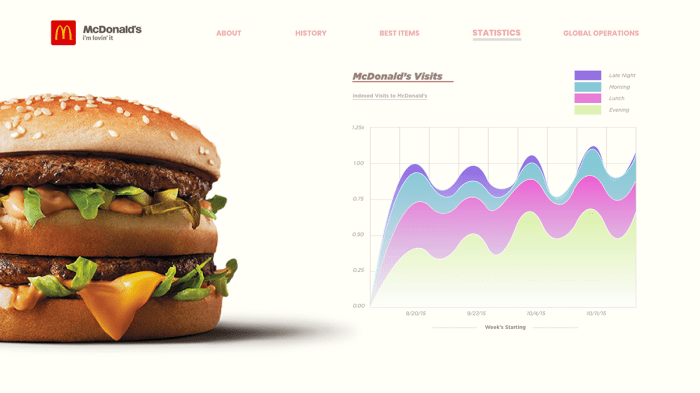
Interactive infographic link share is transforming the way we engage with information online. These dynamic visual tools not only captivate audiences but also enhance understanding and retention of complex data. By incorporating interactive elements, users are invited to explore content in a way that traditional infographics simply cannot match, making them a vital asset in digital marketing strategies today.
With their ability to boost user engagement and provide valuable insights, interactive infographics are becoming increasingly popular among marketers and content creators. From driving website traffic to enhancing blog posts, these infographics are proving to be effective in various contexts, delivering both aesthetic appeal and functional benefits.
Understanding Interactive Infographics
Interactive infographics are dynamic visual representations of information that allow users to engage with and explore data in a more meaningful way. In the realm of digital marketing, these infographics play a crucial role by enhancing user experience and facilitating better information retention. Unlike static visuals, interactive infographics encourage users to click, hover, or swipe, transforming passive consumption into an active exploration of content.The benefits of using interactive infographics for user engagement are significant.
They not only capture attention but also promote a deeper understanding of complex data. Users are more likely to remember information presented interactively compared to traditional formats. Successful interactive infographics can lead to increased brand awareness, higher website traffic, and improved audience interaction. For instance, a notable example is the “The Evolution of the iPhone” infographic by Business Insider, which allowed users to explore various iPhone models through interactive elements, resulting in high engagement rates.
Benefits of Interactive Infographics
The advantages of incorporating interactive infographics in your marketing strategy include:
- Enhanced Engagement: Users spend more time interacting with content that invites participation.
- Improved Information Retention: Engaging formats help users remember data better than static representations.
- Shareability: Interactive infographics are more likely to be shared on social media, increasing reach.
- Data Visualization: Complex information can be simplified through visuals, making it easier to understand.
Creating Effective Interactive Infographics
Designing an interactive infographic requires careful planning and execution. The steps involved typically include defining the objectives, researching the content, designing the layout, and integrating interactive elements. A strong concept is essential to guide the narrative and ensure that the infographic resonates with the target audience.There are numerous tools and software available for creating interactive infographics, such as Canva, Piktochart, and Tableau.
These platforms offer user-friendly interfaces and templates that can simplify the design process. Additionally, some advanced software like Adobe Creative Suite allows for more customization and professional-grade designs.Best practices in layout, color schemes, and typography are crucial for effective infographics. It’s important to keep the layout clean and organized, use a complementary color palette, and choose legible fonts to enhance readability.
High-contrast colors can draw attention to key areas, while consistent typography maintains a cohesive look.
Design Steps for Interactive Infographics
The process of creating an interactive infographic can be broken down into key steps:
- Define Objectives: Clearly articulate what you want to achieve with the infographic.
- Research Content: Gather accurate data and insights that will inform the infographic.
- Sketch Layout: Create a blueprint of how the infographic will look and flow.
- Choose Interactive Elements: Decide on the types of interactions you want to include.
Sharing Interactive Infographics Online
Once you’ve created an engaging interactive infographic, sharing it effectively is the next step. Social media platforms are ideal for distributing infographics, as they provide a vast audience. Strategies for sharing include using visually appealing snippets to attract attention, leveraging hashtags for broader reach, and posting at optimal times to maximize engagement.Email marketing also serves as a powerful tool for distributing interactive infographics.
By embedding the infographic within an email or providing a direct link to it, marketers can encourage recipients to interact with the content. Personalizing emails and segmenting the audience can further enhance the effectiveness of the campaign.Websites and blogs play a critical role in hosting and sharing interactive infographics. Embedding infographics within blog posts can enrich content and drive traffic.
Furthermore, using strategies to improve visibility can result in a higher search ranking, making it easier for users to discover the infographic.
Methods for Sharing on Social Media
Effective strategies for sharing interactive infographics include:
- Utilizing Visuals: Create engaging visuals or snippets that can entice users to click through.
- Engagement Posting: Ask questions or encourage discussions related to the infographic.
- Hashtag Usage: Incorporate relevant hashtags to increase visibility and engagement.
- Timing: Post during peak hours when your audience is most active.
Interactive Infographics and Affiliate Revenue
Interactive infographics can be a powerful tool for driving traffic to affiliate marketing links. By incorporating affiliate links within the infographic, marketers can guide users towards products or services seamlessly. This integration not only enhances user experience but also provides valuable insights into user behavior.To effectively incorporate affiliate links, it’s important to maintain a balance between informative content and promotional elements.
Strategically placing links where they naturally fit within the narrative can lead to higher conversion rates. Additionally, tracking user interactions with these links can help refine future marketing efforts.Metrics to measure the effectiveness of infographics in generating affiliate revenue include click-through rates, conversion rates, and overall traffic generated from the infographic. Analyzing these metrics provides insights into user engagement and the success of affiliate strategies.
Strategies for Incorporating Affiliate Links
Key strategies for integrating affiliate links within interactive infographics include:
- Contextual Placement: Ensure links are placed where users are likely to click based on the content flow.
- Clear Call-to-Actions: Use compelling language that encourages users to explore links further.
- Tracking Analytics: Implement tracking to monitor clicks and conversions effectively.
The Intersection of Interactive Infographics and Blogging
Blogs can greatly benefit from the inclusion of interactive infographics. This combination enhances content by providing visual context and engaging storytelling. Infographics can summarize blog posts, highlight key points, or illustrate complex data, making it easier for readers to grasp essential information.Integrating infographics into blog post strategies involves careful planning. It’s important to ensure that the infographic aligns with the blog’s theme and provides additional value.
Including a call-to-action related to the infographic can guide readers towards further engagement.Examples of successful blogs that utilize interactive infographics include platforms like HubSpot and Moz, which frequently incorporate visuals to enhance their content and engage their audience effectively.
Methods for Integrating Infographics into Blog Posts
Strategies for incorporating infographics into blog content include:
- Summarizing Key Points: Use infographics to summarize blog posts visually.
- Adding Context: Provide additional insights or data through infographics.
- Encouraging Interaction: Include questions or prompts that encourage readers to engage with the infographic.
Enhancing Internet Marketing with Interactive Infographics
Interactive infographics can significantly improve internet marketing campaigns by capturing user attention and encouraging engagement. They act as a bridge between informative content and user interaction, making marketing messages more memorable.Successful case studies demonstrate the effectiveness of incorporating infographics into marketing strategies. For example, a campaign by a leading fitness brand utilized an interactive infographic to showcase workout routines, resulting in increased social media shares and website traffic.Additionally, search engine optimization () plays a crucial role in promoting interactive infographics.
By optimizing infographics with relevant s and meta tags, marketers can enhance visibility and drive organic traffic.
Case Studies of Successful Marketing Strategies
Examples of effective internet marketing strategies using infographics include:
- Fitness Campaigns: Engaging visuals that summarize workouts led to increased audience interaction.
- Travel Marketing: Interactive maps showcasing travel destinations resulted in higher user engagement.
- Educational Content: Infographics that explain complex concepts received positive feedback and shares.
Utilizing Interactive Infographics in Online Auctions
Online auctions can leverage interactive infographics to present auction items in an attractive manner. By using engaging visuals, potential bidders can better understand the items being auctioned, thereby increasing their interest and likelihood of bidding.Creating infographics that explain the auction process can be beneficial for first-time bidders. Clearly outlining steps and providing tips can demystify the process and encourage participation.
The advantages of using infographics in auction marketing strategies include improved clarity, enhanced engagement, and increased visibility for auction items.
Tips for Creating Auction Process Infographics
Effective tips for designing infographics related to online auctions include:
- Clarity: Use simple language and visuals to explain the auction process.
- Engagement: Incorporate interactive elements to keep viewers interested.
- Highlight Key Items: Showcase featured auction items in an engaging manner.
Interactive Infographics in Audio Streaming and Podcasts
Visuals play a significant role in enhancing audio content marketing. By incorporating interactive infographics, podcasters can provide complementary visuals that enhance the listening experience. This addition helps to bridge the gap between audio and visual media, ensuring that audiences remain engaged.Creating infographics for podcast episodes can include summarizing key points, illustrating featured guests, or providing additional resources. This approach not only enriches the content but also encourages sharing and interaction among listeners.Examples of podcasts that have effectively integrated interactive elements include “The Joe Rogan Experience,” where infographics summarize episode highlights, and “Stuff You Should Know,” which often features illustrated summaries of complex topics.
Creating Complementary Infographics for Podcasts
When designing infographics for audio content, consider the following:
- Summarization: Highlight key discussion points in an easily digestible format.
- Visual Storytelling: Use visuals to convey complex ideas that are discussed in the podcast.
- Encouraging Sharing: Design infographics that are easily shareable on social media platforms.
Design Considerations for Interactive Infographics
Effective design principles are essential for enhancing user interaction with infographics. This includes ensuring that the design is visually appealing while also being functional, allowing users to navigate effortlessly.Mobile responsiveness is another critical factor. With the increasing use of mobile devices, infographics should be designed to adapt to different screen sizes, ensuring accessibility for all users. Accessibility in interactive infographic design is crucial for reaching diverse audiences.
Considerations should include using alt text for images, ensuring color contrast for readability, and providing text alternatives for interactive elements.
Design Principles for Enhancing User Interaction
Important design principles include:
- Visual Hierarchy: Use size and color to guide users through the information.
- Consistent Style: Maintain a uniform design style throughout the infographic.
- Intuitive Navigation: Ensure that users can easily navigate through interactive elements.
Measuring Success of Interactive Infographics
To assess the effectiveness of interactive infographics, key performance indicators (KPIs) must be identified. Metrics such as user engagement rates, time spent interacting with the infographic, and social shares can provide valuable insights into its success.Various tools and methods for tracking user engagement include Google Analytics, social media analytics, and user feedback surveys. These tools can help marketers understand how their audience interacts with infographics and identify areas for improvement.Examples of metrics to evaluate the success of shared infographics include:
- Click-Through Rates: Measure how many users clicked on embedded links within the infographic.
- Engagement Rates: Track likes, shares, and comments across social media platforms.
- Time on Page: Analyze how long users engage with the infographic.
Closing Notes
In summary, embracing interactive infographic link share not only elevates content but also fosters deeper connections with audiences through engaging visuals. As digital marketing continues to evolve, leveraging these tools will remain essential for capturing attention and conveying information effectively. By utilizing the strategies discussed, you can harness the power of interactive infographics to enhance your online presence and drive meaningful engagement.
Quick FAQs
What platforms can I use to share interactive infographics?
You can share interactive infographics on social media platforms like Facebook, Twitter, and LinkedIn, as well as through email marketing and on your own website or blog.
How do interactive infographics improve user engagement?
They encourage users to interact with the content, making it more enjoyable and memorable, which increases the likelihood of sharing and revisiting the information.
Are there specific tools for creating interactive infographics?
Yes, tools like Canva, Piktochart, and Visme are popular options for designing interactive infographics with user-friendly interfaces.
What metrics should I track for successful infographic sharing?
Key metrics include user engagement rates, shares on social media, click-through rates on embedded links, and overall traffic generated to your website.
Can interactive infographics be used in email marketing?
Absolutely! They can enhance email newsletters by providing visually appealing content that encourages clicks and increases reader engagement.