Triggered onboarding sequences are pivotal in shaping how users interact with a platform from the very beginning. These sequences strategically guide new users through essential features, ensuring they feel supported and informed as they embark on their journey. By understanding and utilizing effective onboarding techniques, businesses can significantly enhance user retention and satisfaction.
This discussion dives into the various components that constitute successful onboarding sequences, exploring how automation, email marketing, and creative content like audio and podcasts contribute to a seamless user experience. The importance of effective strategies in today’s digital landscape cannot be overstated, as they play a crucial role in not just attracting users but also keeping them engaged over time.
Introduction to Triggered Onboarding Sequences
Triggered onboarding sequences are a systematic approach designed to guide new users through their initial experiences with a product or service. Their significance lies in enhancing user engagement and retention by providing timely and relevant information that helps users understand how to utilize the product effectively. A well-structured onboarding process can significantly improve user satisfaction and reduce churn rates.Key components of effective onboarding sequences include personalized messaging, clear instructions, and interactive elements that encourage user participation.
Onboarding can take various forms, such as welcome emails, in-app tutorials, and follow-up check-ins, each tailored to different stages of the user journey. These sequences can be categorized into different types, such as behavioral triggers—where actions taken by the user initiate specific responses—and time-based triggers, which send messages based on a predetermined schedule.
The Role of Autoresponders in Triggered Onboarding
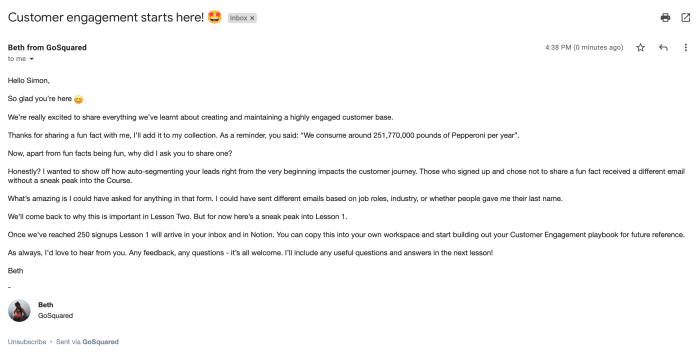
Autoresponders play a crucial role in automating the onboarding process, providing a seamless experience for new users. By setting up automated email sequences, businesses can ensure that users receive timely information without manual intervention. This not only saves time but also enhances the user experience by delivering relevant content at optimal moments.Examples of autoresponder sequences include a series of welcome emails that introduce users to different features of the product, or reminders that encourage users to complete their profile or take specific actions.
Best practices for designing autoresponder messages include crafting compelling subject lines, personalizing content based on user behavior, and ensuring messages are concise yet informative.
Integrating Triggered Onboarding with Email Marketing
Triggered onboarding is closely intertwined with email marketing strategies, allowing businesses to leverage their email lists for targeted communication. Segmenting the email list based on user demographics or behavior enables more personalized onboarding sequences that resonate with different user groups. A sample email marketing campaign might include an initial welcome email followed by a series of informational emails that highlight specific features, tips for maximizing product use, and invitations to engage with community forums or support.
Such a structured campaign helps maintain user interest and fosters a sense of belonging within the brand community.
Influence of Internet Marketing on Onboarding Strategies
Internet marketing principles significantly shape the design of onboarding sequences, as they emphasize user engagement and seamless navigation. Effective techniques such as A/B testing, optimization, and user feedback integration can enhance onboarding experiences. Case studies illustrate successful onboarding strategies that incorporated internet marketing techniques. For example, a SaaS company optimized its onboarding flow based on user feedback, resulting in a 25% increase in user retention rates.
Such adaptations highlight the importance of combining marketing insights with user experience design.
Enhancing User Engagement with Audio Streaming
Incorporating audio streaming into onboarding sequences can create a more engaging user experience. Audio content, such as podcasts or instructional recordings, allows users to consume information in a versatile format that suits their preferences. Methods for using audio content in onboarding include creating welcome messages in audio format, offering tutorials narrated by engaging speakers, and providing user testimonials that enhance credibility.
The benefits of incorporating audio include increased retention of information, accessibility for users who prefer auditory learning, and a more personal touch in communication.
The Impact of List Building on Triggered Onboarding
List building is fundamental for creating effective onboarding sequences, as it ensures a pool of potential users to engage with. Techniques for building an email list include offering incentives for sign-ups, utilizing social media for outreach, and conducting webinars that encourage user registration. Maintaining user engagement post-onboarding is equally important, as it fosters long-term relationships. Strategies such as periodic check-ins, exclusive content for loyal users, and feedback solicitation can keep users actively involved with the brand, enhancing their overall experience.
Utilizing Banner Advertising for Onboarding Promotion
Banner advertising serves as a powerful tool for promoting onboarding content by capturing the attention of potential users. Effective banner designs should be visually appealing and include a clear call-to-action that invites users to engage with the onboarding process. Strategies for designing effective banners involve using eye-catching graphics, concise messaging, and strategic placement on relevant platforms. Successful campaign examples demonstrate how targeted banner ads can drive significant traffic to onboarding resources, increasing user sign-up rates.
Link Popularity and Its Effect on Onboarding Visibility
Link popularity can enhance the visibility of onboarding sequences by improving search engine rankings and driving organic traffic. Methods to increase link popularity include creating high-quality, shareable content, engaging in guest blogging, and utilizing social media platforms to amplify reach. Businesses that successfully leveraged link popularity often experienced increased user acquisition, as demonstrated by companies that maintained active content strategies, resulting in higher search engine visibility and, consequently, improved onboarding participation.
Businesses Online Blogging as a Tool for Onboarding
Blogging provides valuable content that can significantly enhance the onboarding process. Well-crafted blog posts can serve as educational resources, offering insights into product features, industry trends, and user tips. Creating blog posts that support user education involves focusing on common questions, sharing user stories, and offering practical advice that resonates with the target audience. Consistent blogging not only aids in onboarding but also fosters audience retention and engagement over time.
The Role of Domain Names in Onboarding Strategies
A good domain name is crucial to the onboarding experience, as it reflects brand identity and can influence user perceptions. Choosing a domain name that aligns with the onboarding purpose helps create a seamless experience for users from the outset. Examples of effective domain names include those that are easy to remember, relevant to the product, and evoke positive associations with the brand.
Such names can significantly enhance user engagement by establishing a strong brand presence.
E-books and Ezine Publishing for User Education
E-books serve as excellent onboarding tools, providing comprehensive knowledge that educates new users about product features and benefits. The process of creating an e-book focused on onboarding includes identifying user needs, drafting content, and designing an engaging layout that facilitates easy reading.Ezine publishing also plays a vital role in maintaining user engagement post-onboarding. Regularly sending informative newsletters can keep users informed about updates, additional resources, and community events, reinforcing their connection to the brand.
Triggered Onboarding Sequences in Podcasting
Podcasting can be effectively integrated into the onboarding process, allowing businesses to create engaging audio content that educates new users. Guidelines for producing engaging podcast content include focusing on user-centric topics, inviting guest speakers who provide valuable insights, and maintaining a consistent release schedule.Regular podcast episodes can significantly impact user retention during onboarding by offering fresh content that resonates with the audience, thus fostering ongoing engagement with the brand.
PPC Advertising Strategies for Onboarding Initiatives
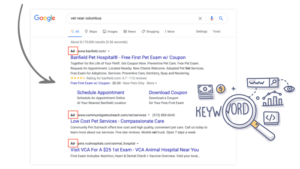
PPC advertising can be a powerful tool to promote onboarding sequences by targeting specific audiences with tailored messages. Techniques for creating effective PPC ads include identifying relevant s, developing compelling ad copy, and optimizing landing pages for conversions.Measuring the success of PPC campaigns in relation to onboarding requires tracking metrics such as click-through rates, conversion rates, and user retention statistics to assess the effectiveness of advertising efforts in driving onboarding engagement.
Exploring Businesses Online Auctions as Onboarding Platforms
Online auctions can provide a unique onboarding experience by engaging users through dynamic, interactive formats. Customizing onboarding for auction-based businesses involves designing processes that educate users about bidding strategies, auction rules, and platform navigation.The advantages of engaging users through auction formats during onboarding include heightened excitement, increased participation, and the opportunity to build a community of enthusiastic users who are invested in the auction experience.
Final Review
In conclusion, employing triggered onboarding sequences is essential for businesses aiming to make a lasting impression on their new users. By integrating these sequences with innovative marketing strategies and content, companies can foster a positive user experience that encourages ongoing engagement and loyalty. As we continue to navigate an increasingly competitive online environment, prioritizing effective onboarding will undoubtedly yield significant rewards.
FAQs
What is the primary goal of triggered onboarding sequences?
The primary goal is to guide new users through essential features and ensure they understand how to use the platform effectively.
How can autoresponders enhance onboarding?
Autoresponders automate communication, delivering timely messages that can help users navigate the onboarding process smoothly.
Why is email segmentation important for onboarding?
Email segmentation allows for targeted communication, ensuring that users receive relevant information tailored to their specific needs and behaviors.
Can blogging support the onboarding process?
Yes, blogging can provide valuable educational content that helps new users understand the platform better and increases their engagement.
What role does list building play in onboarding?
List building is crucial as it helps create a targeted audience for onboarding sequences, ensuring that communications reach the right users at the right time.